
An 81-second video, “apple wake the future”: one person, one iPhone, and one very ordinary request, set an alarm for 7:40 p.m., repeated until it becomes a small documentary about voice interfaces.
Watch on YouTube: https://www.youtube.com/watch?v=BjJN4Qk9kKc
What happens
The request is phrased several ways, and the assistant gets a different wrong answer almost every time:
- “Set alarm clock at 7:00 p.m. and 40 minutes” — “Your 1900 hours alarm is already on.” It heard the hour and dropped the minutes.
- “Set alarm clock at 20 minutes before 8:00 p.m.” — “I’ve turned on your 2000 hours alarm.” It heard the eight and dropped the “20 minutes before”.
- “Set alarm clock at 8 hours minus 20” — “I’ve set your alarm for 2:36.”
- “Set alarm clock at 19 hours 40 minutes” — “Your alarm is set for 14:37.” A time nobody said.
In between there is some pleading (“Please, Jobs. Jobs, bless you.”) and the video never gets its 19:40.
How it is put together
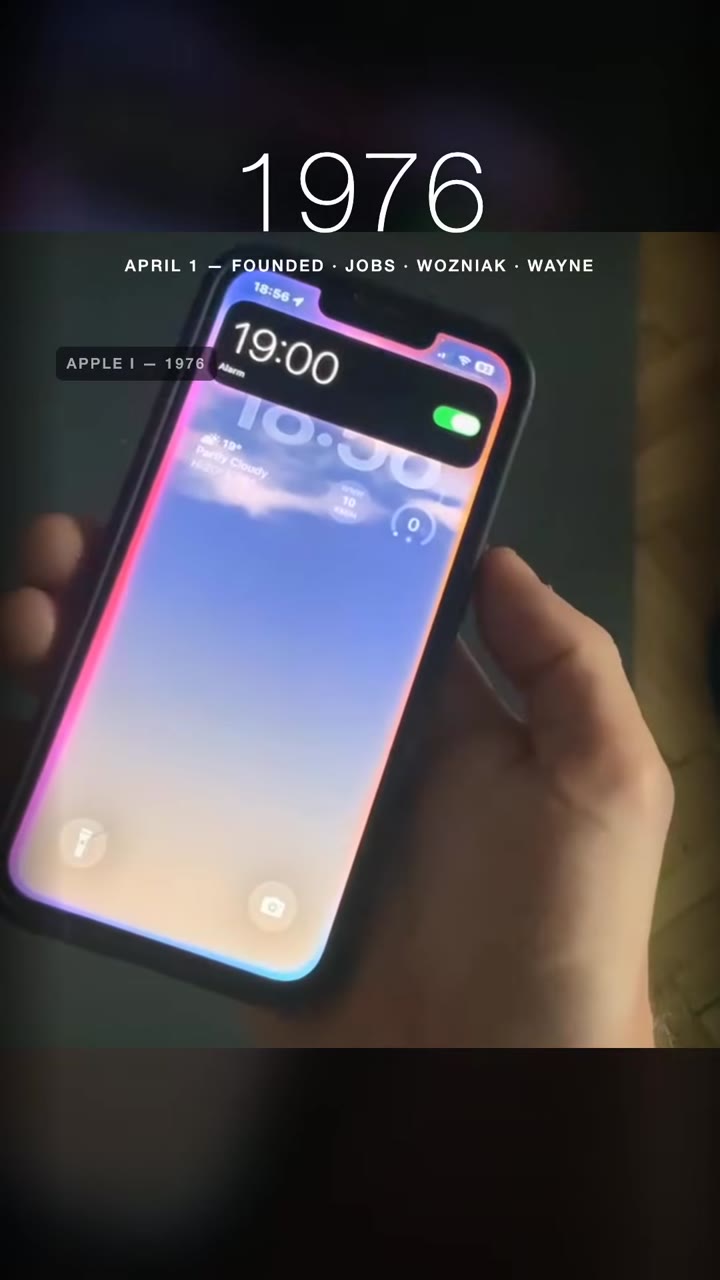
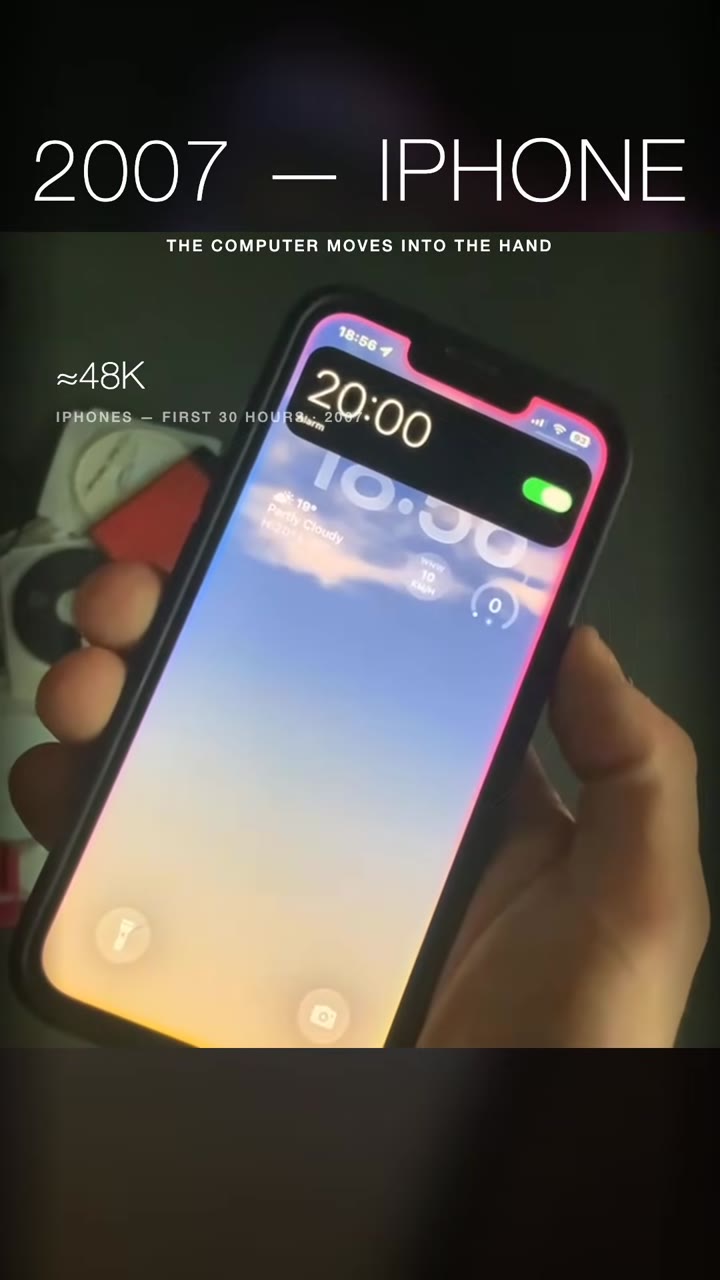
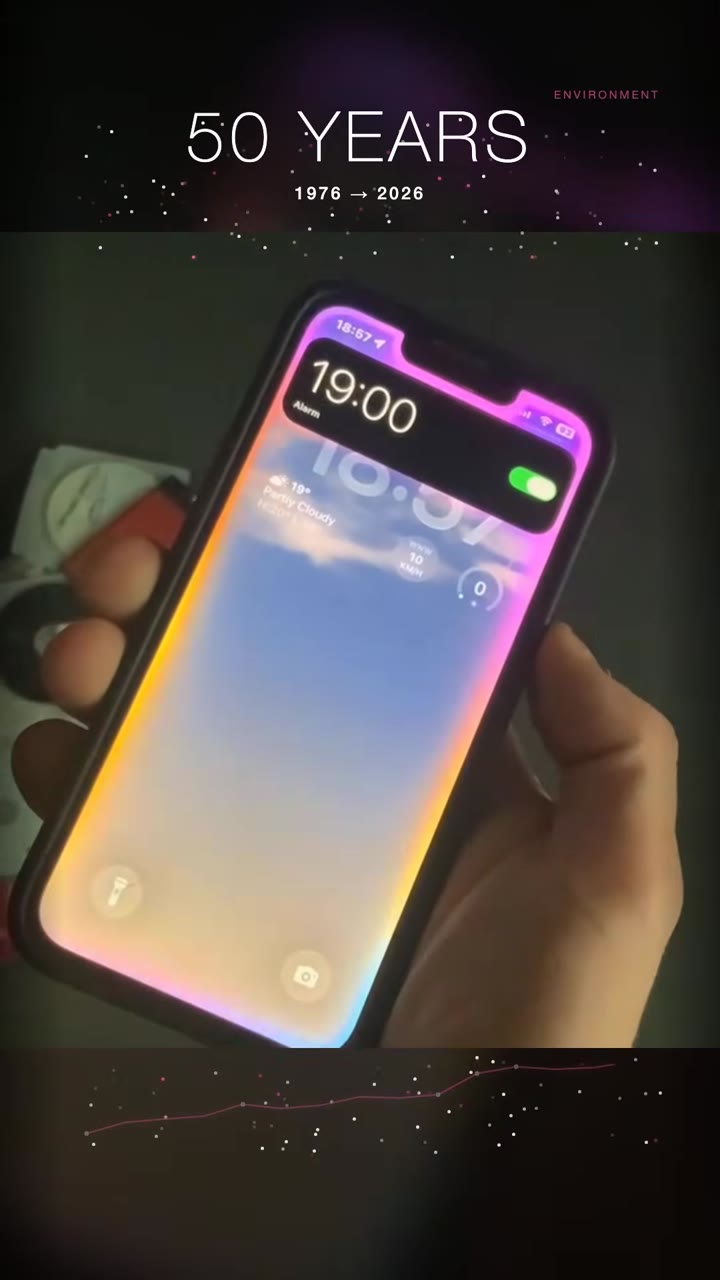
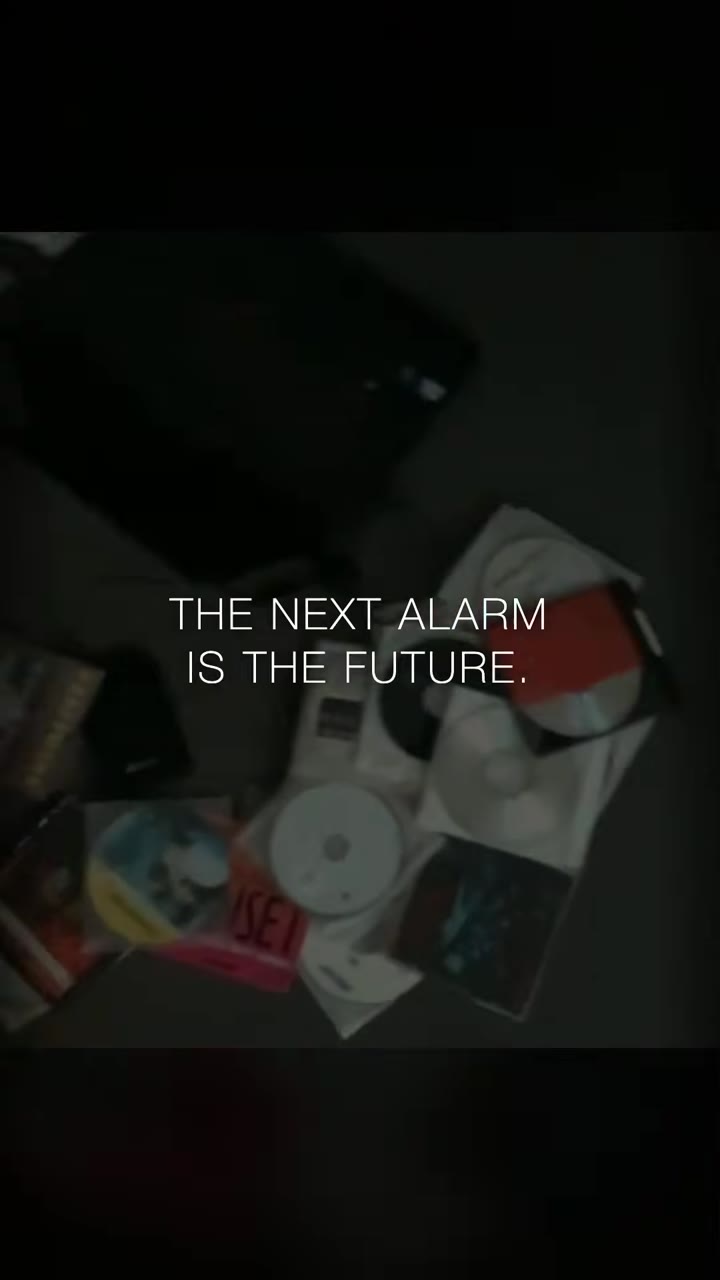
The footage is a single hand-held shot of the lock screen, with the assistant’s spoken replies and alarm banners left as they happened. Over it runs a motion-graphics timeline of the company: founding in 1976, the Macintosh in 1984, the return in 1997, the iPhone in 2007, the ecosystem in 2011, Apple silicon in 2020, and finally “50 years, 1976 → 2026”, each with a few headline figures. Every jump forward in the timeline lands on another failed alarm. The last card reads: “The next alarm is the future.”
Why it is interesting
Setting an alarm is about the simplest task a voice assistant has. The failure here is not recognition, since the words were transcribed correctly; it is parsing time expressions that people actually use (“seven p.m. and forty minutes”, “twenty to eight”). Each reply drops part of the request and confidently acts on the rest, which is arguably worse than asking “did you mean 19:40?”. Set against half a century of interface milestones, it is a compact argument that the hard part of assistants was never the hardware.